Discover a new perspective of this tranquil town, rich with stories, history, and authentic ways of life Phang Nga Province isn’t just about azure seas, beautiful islands, or peaceful resorts. Another charm that many don’t know about is its “cultural tourism attractions” — places that tell the stories of people, religions, history, and traditional ways of life. Perfect for travelers who want to understand Phang Nga on a deeper level, beyond just passing through.
Why Phang Nga is Ideal for Cultural Tourism
Phang Nga is a province with ethnic and religious diversity, including Thai Buddhist communities, Thai Muslim communities, and Hokkien Chinese who settled here long ago. Notable Features:
- Small town where people still live traditional lifestyles
- Temples, mosques, and shrines coexist in the same area
- Communities maintain complete customs and rituals
- Tourism isn’t overcrowded, making it easy to experience the authentic atmosphere
Cultural travel in Phang Nga isn’t just about taking photos — it’s about “understanding people.”
1. Wat Suwan Khuha (Cave Temple)
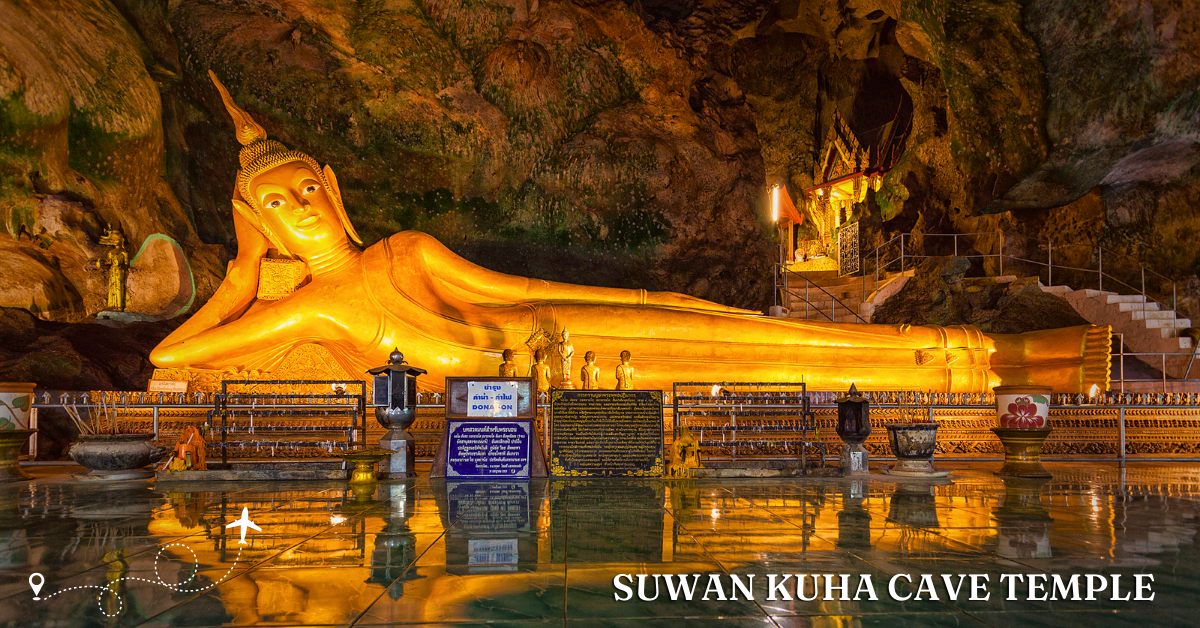
An Ancient Sacred Site Within a Limestone Mountain Wat Suwan Khuha, locally known as “Wat Tham” (Cave Temple), is an important temple in Phang Nga located inside a large limestone cave. Highlights:
- Large reclining Buddha inside the cave
- Spacious, airy cave hall with natural light streaming in
- Peaceful, cool, and solemn atmosphere
From many travelers’ experiences, walking into the cave brings an immediate sense of calm. Outside sounds gradually fade away, leaving only the sound of your own breath.
2. Kuan U Shrine, Ban Bang Khian
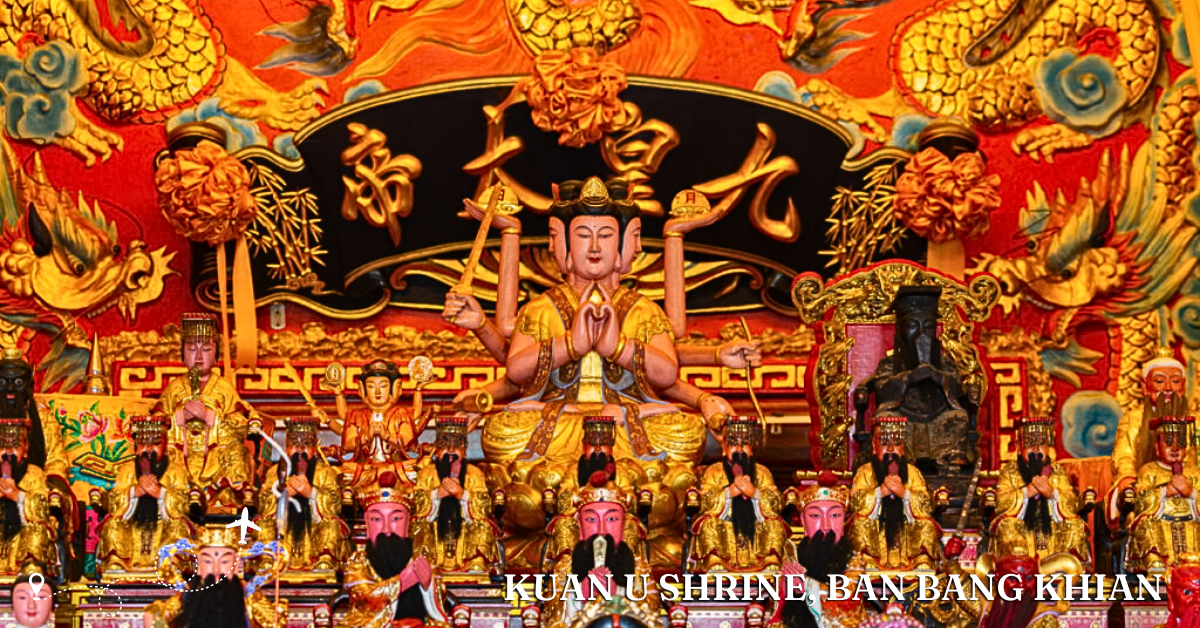
Traces of Chinese Culture in Phang Nga The Kuan U Shrine in Takua Thung District reflects the settlement of Chinese people in the past, particularly the Hokkien Chinese group who came to work in tin mines. Points of Interest:
- Traditional Chinese architecture
- Carved wood patterns and ancient artwork
- Prayers for honesty, career success, and prosperity
During important festivals, the community gathers at the shrine, creating a picture of living culture — not just a museum piece.
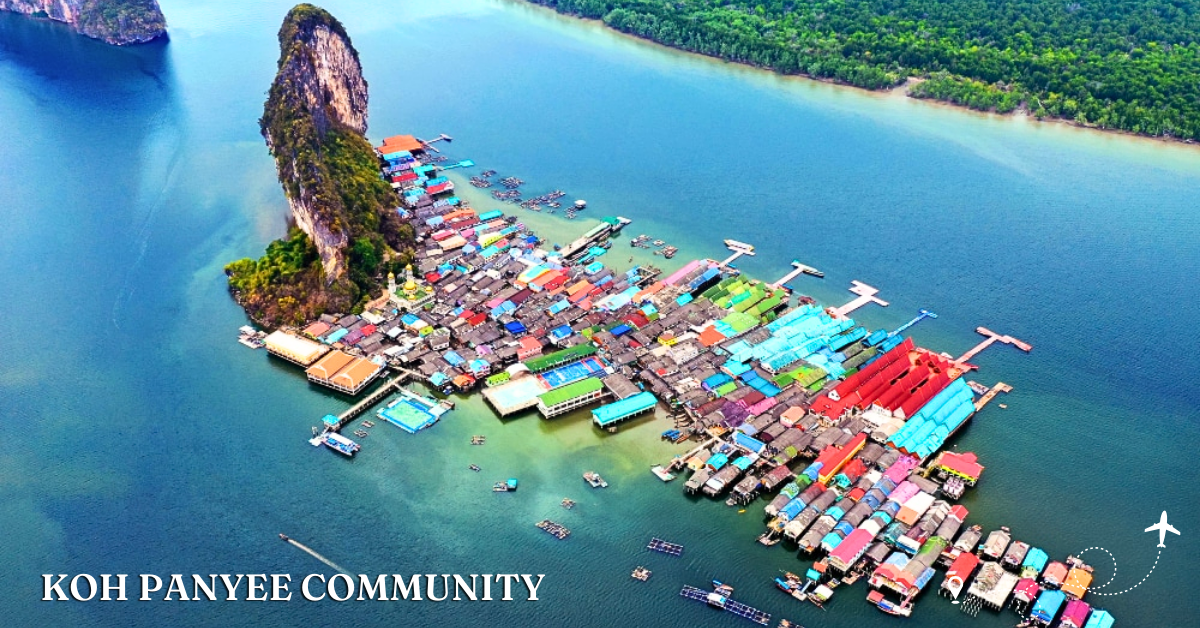
3. Koh Panyee Community
Muslim Culture in the Middle of Phang Nga Bay Koh Panyee is one of Phang Nga’s most famous Muslim communities. Houses are built on stilts over the sea, with a mosque as the community’s center. What Travelers Learn:
- Traditional fishing lifestyles
- How the entire island community lives together
- Simple and peaceful Islamic culture
Walking into the actual community, you’ll see children playing football on wooden platforms and elderly people repairing fishing nets and boats. These scenes represent culture that breathes every day.
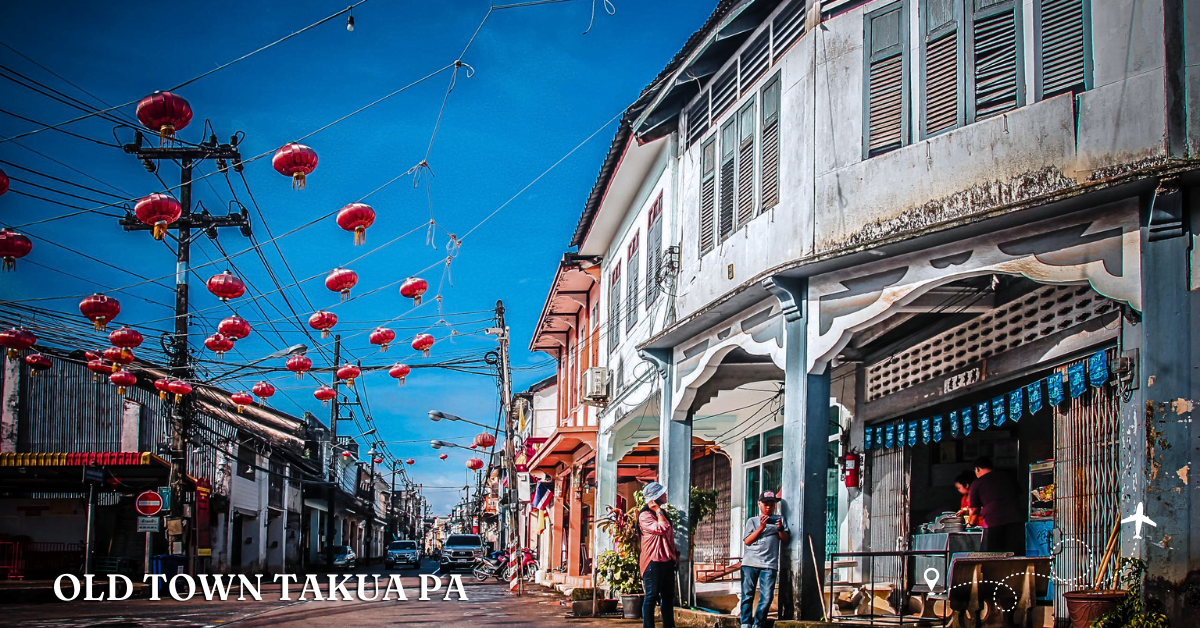
4. Old Town Takua Pa
Tales of a Former Mining Town Takua Pa was once a prosperous port town during the mining era. Today, old buildings, cultural streets, and Sino-Portuguese style houses remain. Old Town Highlights:
- Old buildings that tell stories of the mining era
- Local museum
- Walking street during certain times
Strolling through old town Takua Pa is like stepping back decades in time, without any staging or reconstruction needed.
Guidelines for Meaningful Cultural Tourism in Phang Nga
To experience deeper travel, try these approaches:
- Walk slowly, spend time at each place
- Talk with local people
- Respect religious sites
- Choose times outside peak tourist season
From cultural travelers’ experiences, spending just half a day in a community can create more lasting memories than rushing to photograph multiple places in one day.
FAQ: Cultural Tourism Attractions in Phang Nga
A: Phang Nga offers authentic cultural experiences with ethnic and religious diversity, including Thai Buddhist, Thai Muslim, and Hokkien Chinese communities living side by side. The province maintains traditional lifestyles, and tourism isn’t overcrowded, allowing visitors to experience genuine local atmosphere and understand the people beyond just sightseeing.
A: Wat Suwan Khuha, locally called “Wat Tham” (Cave Temple), is an ancient sacred site built inside a large limestone cave. It features a large reclining Buddha, spacious cave halls with natural light, and a peaceful, cool atmosphere that provides an immediate sense of calm.
A: The Kuan U Shrine in Takua Thung District reflects the historical settlement of Hokkien Chinese who came to work in tin mines. It features traditional Chinese architecture, carved wood patterns, and serves as a gathering place during important festivals, representing living culture rather than just a historical monument.
Summary
Phang Nga isn’t just a town to pass through it’s an area filled with living culture. Temples, shrines, communities, and old towns all tell people’s stories in a straightforward, genuine way.