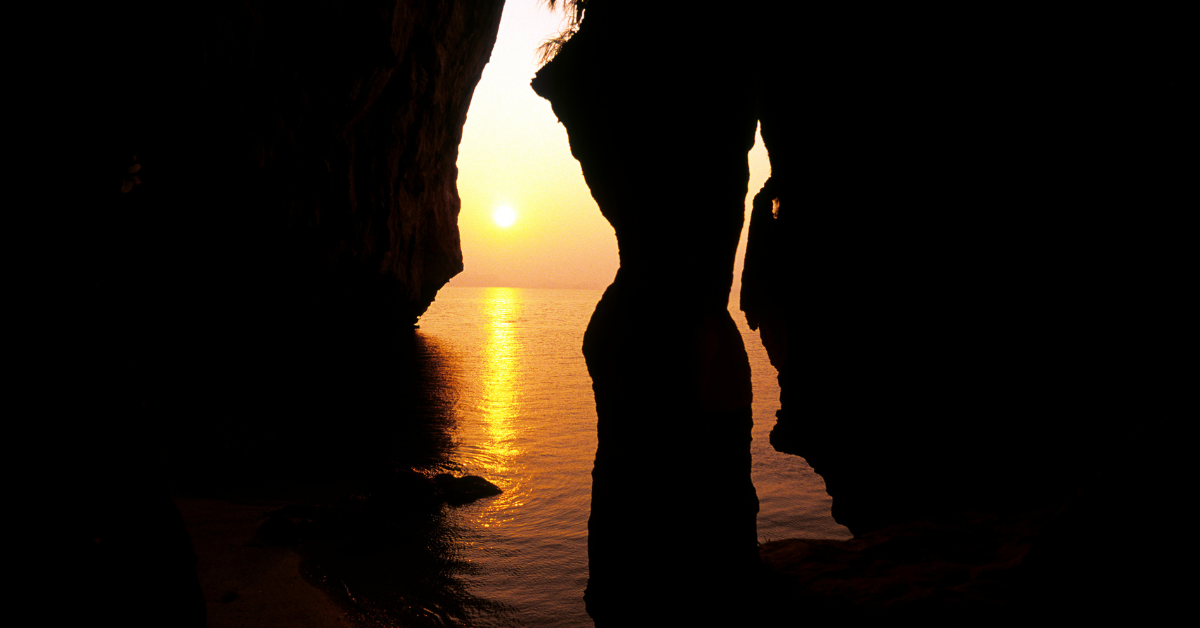
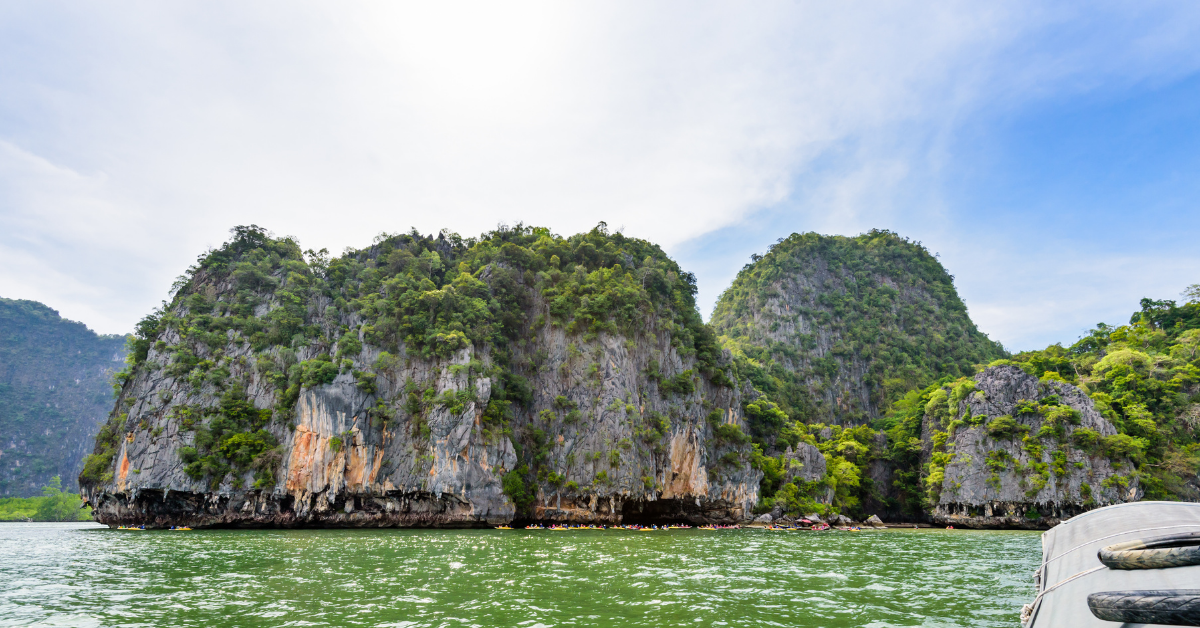
Phang Nga Province is one of the areas where nature remains most pristine on the Andaman coast. What sets Phang Nga apart from other tourist provinces is its “limestone caves” with unusual shapes complex and beautiful in ways that cannot be artificially created. These caves are not just photo spots, but natural areas that tell the story of our world spanning millions of years—from the movement of tectonic plates and erosion by seawater to the formation of unique ecosystems.
How Were the Limestone Caves in Phang Nga Formed?
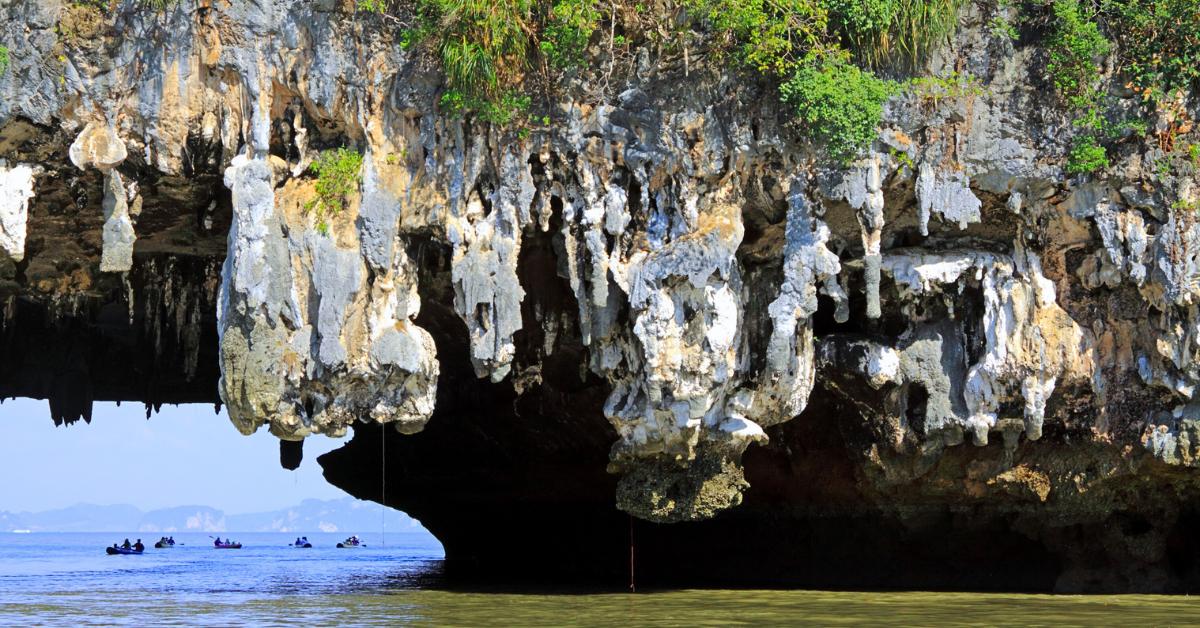
The limestone caves in Phang Nga Province were created through natural processes lasting millions of years. This area was once under the sea. The Earth’s crust lifted upward. Limestone that accumulated from marine life remains was eroded by rainwater and seawater. Over time, water seeped through cracks in the rock, creating cavities that expanded into caves. Some were flooded by seawater during high tide, while others opened up when water levels dropped. This is why Phang Nga has sea caves, mangrove caves, and mountain caves.
Unique Characteristics of Limestone Caves in Phang Nga Province
Phang Nga’s limestone caves have features rarely found elsewhere in Thailand:
- High, open cave ceilings with natural light openings
- Cave walls with erosion patterns resembling sculptural works
- Some caves contain hidden lagoons—peaceful and mirror-clear
- Unique ecosystems including bats, seabirds, and plants that thrive in humid conditions
Kayakers and nature explorers often agree that Phang Nga’s caves feel like entering another world.
Famous Limestone Caves in Phang Nga Not to Miss
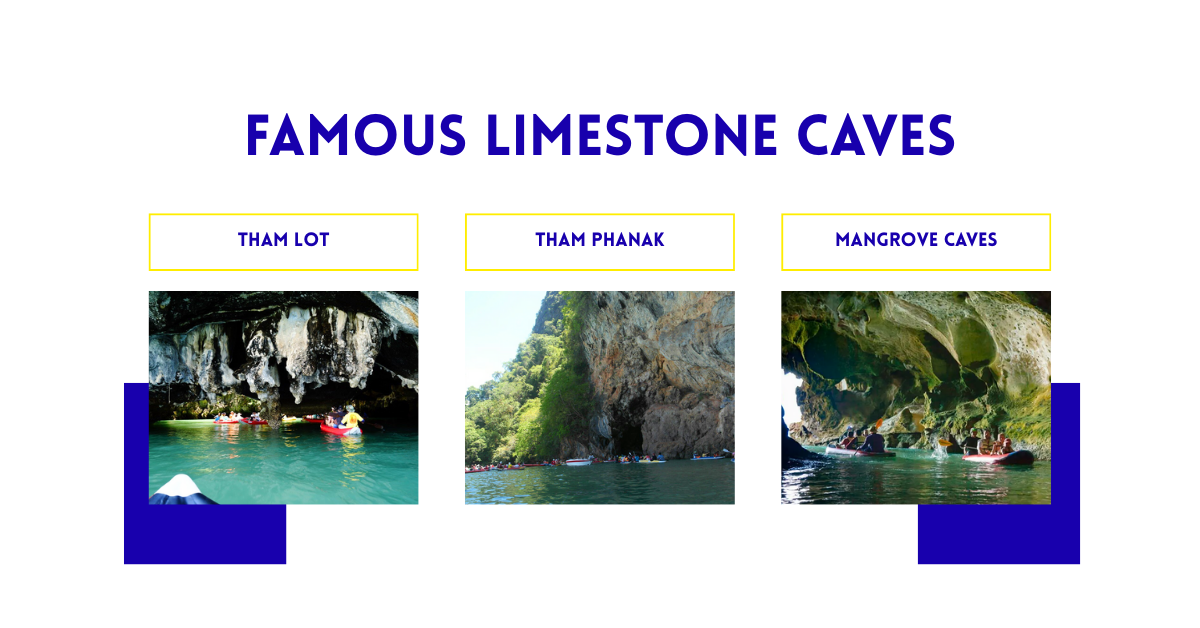
Tham Lot (Cave), Phang Nga Bay
Tham Lot is one of the most famous limestone caves. The cave entrance is a narrow tunnel requiring kayaking or taking a small boat. After passing through the darkness, you’ll find a large lagoon surrounded by high cliffs. Outside sounds immediately disappear. Many tourists say that the moment their boat passes through the cave is the most peaceful part of their entire trip.
Tham Phanak, Koh Phanak
Tham Phanak is renowned for its unusually shaped rock walls. Some sections resemble stone curtains, while others look like sea creatures or faces. This place is perfect for people who enjoy exploring without rushing—taking time to learn nature’s details. Local guides often explain the rock structures while sharing stories of the area’s past changes, helping cave visits become not just viewing but understanding.
Tham Koh Thalu
This cave stands out with its large opening that allows natural light throughout the day, making the limestone colors clearly visible. During low tide, boats can easily pass through the cave opening. It’s a popular photography spot, especially during morning and evening hours.
Mangrove Caves, Ao Poh Area
Some caves in Phang Nga aren’t in the middle of the sea but within mangrove systems. Kayaking through these caves allows you to see mangrove roots, limestone, and small aquatic creatures up close. Perfect for families or those wanting a gentle nature experience.
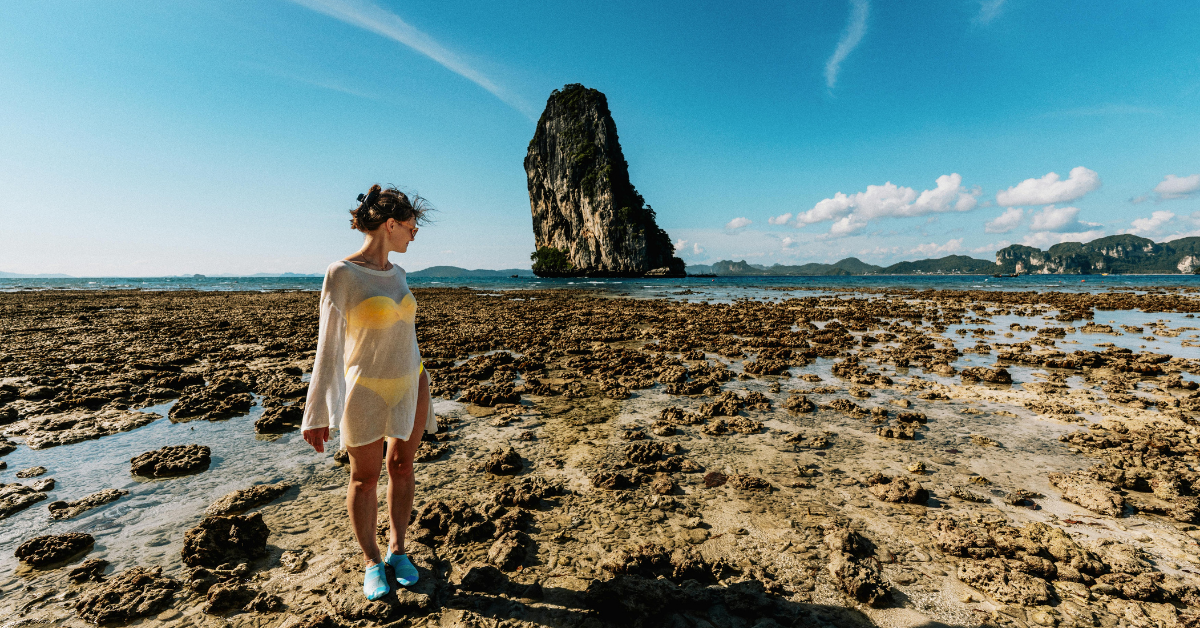
How Is the Limestone Cave Experience in Phang Nga Different from Elsewhere?
According to many tourists’ experiences, Phang Nga’s caves don’t emphasize heavy adventure excitement but focus on tranquility, observation, and being with nature:
- No loud engine noise
- Slow kayaking allows you to see surrounding details
- Light and shadows in caves change with time
- Each cave offers a different feeling
Many choose to return because each visit provides a different experience.
Best Time to Visit Limestone Caves in Phang Nga
Timing greatly affects the experience:
- Morning: Soft light, cool air, clear water—ideal for photography and exploration
- Afternoon: Light enters some caves clearly, making rock patterns stand out
- Evening: Beautiful reflections on water surface, very quiet atmosphere
The best tourist season is November to April, when there are fewer waves and winds, making cave access safer.
Responsible Cave Tourism Guidelines
Limestone caves are fragile resources. Good tourism should prioritize nature:
- Don’t touch cave walls or stalactites/stalagmites
- Don’t make loud noises that disturb cave animals
- Don’t litter
- Use local guides who understand the area
Many Phang Nga operators have begun limiting visitor numbers to preserve the environment long-term.
Limestone Caves and Value-Based Tourism in Phang Nga
Limestone caves aren’t just tourist attractions but resources that generate income for communities:
- Local guides
- Kayak service providers
- Homestays and accommodations near natural areas
- Community restaurants
Choosing to travel without rushing and taking time to learn helps money circulate back to local people.
FAQ: Limestone Caves in Phang Nga Province
A: The limestone caves in Phang Nga were created through natural processes lasting millions of years. This area was once under the sea, and the Earth’s crust lifted upward. Limestone that accumulated from marine life remains was eroded by rainwater and seawater. Over time, water seeped through cracks in the rock, creating cavities that expanded into caves.
A: Phang Nga’s limestone caves have several distinctive features including high, open cave ceilings with natural light openings, cave walls with erosion patterns resembling sculptural works, hidden lagoons that are peaceful and mirror-clear, and unique ecosystems with bats, seabirds, and plants that thrive in humid conditions.
A: The most notable caves include Tham Lot in Phang Nga Bay (famous for its hidden lagoon), Tham Phanak on Koh Phanak (known for unusually shaped rock walls), Tham Koh Thalu (featuring a large opening with natural light), and the Mangrove Caves in the Ao Poh area.
Why Should Limestone Caves in Phang Nga Be Included in Your Travel Plans?
If you’re looking for tourism different from ordinary beaches, Phang Nga’s limestone caves are the answer:
- See nature that hasn’t been artificially modified
- Take a break from chaos
- Learn about the world from a quieter, deeper perspective
Whether you come as a tourist, photographer, or content creator, Phang Nga’s limestone caves will always provide valuable stories.