

The Role of Luck in Gambling
Luck is often seen as a mysterious force that governs the outcomes of various gambling activities. In essence, it refers to the unpredictable nature of winning or losing, which can significantly impact a player’s experience and results. Many gamblers believe that luck plays a crucial role in their success, attributing wins to it and losses to bad fortune. This perspective can vary widely among different games, with some, like slots and roulette, being heavily reliant on chance, while others, such as poker, merge skill with a degree of luck, including options for a visa fast withdrawal casino experience that enhances convenience.
For instance, in games with a pure luck component, such as slot machines, the outcome is determined solely by random number generators. Players who engage with these games often find themselves hoping for winning combinations, but in reality, their success hinges purely on luck. Unlike skill-based games, these outcomes cannot be influenced by strategy, making luck a central theme in the gambling experience.
Conversely, in games that require skill, like poker, luck still plays a significant part but is intertwined with the player’s abilities. A skilled poker player may still lose a hand due to bad luck, but their understanding of the game allows them to mitigate losses and capitalize on lucky breaks over time. This duality illustrates how luck coexists with skill, creating a complex dynamic that influences gambling outcomes.
The Psychological Impact of Luck
The psychological aspect of luck in gambling cannot be overstated. Many gamblers experience what is commonly known as the “gambler’s fallacy,” where they believe that previous outcomes can influence future results. For example, a player might think that after a series of losses, they are “due” for a win. This belief can lead to risky betting behaviors and a false sense of hope, all influenced by their perception of luck.
Moreover, the excitement that comes from the unpredictability of luck can enhance the overall gambling experience. The thrill of hitting a jackpot or making a lucky bet can stimulate the release of dopamine in the brain, reinforcing the behavior and leading gamblers to chase their next ‘lucky’ moment. This psychological reward can create a cycle where players continuously return to gambling, fueled by the belief that luck is just around the corner.

The influence of luck can also lead to emotional highs and lows, impacting players’ mental health. Those who frequently gamble may find themselves caught in a web of euphoria when winning or despair when losing, both emotions underscored by their perception of luck. Understanding this psychological impact is vital for gamblers aiming to maintain a balanced relationship with gambling, where they recognize luck’s role yet do not allow it to dominate their experience.
The Balance of Luck and Skill
While luck is a major factor in gambling, it is essential to recognize the critical role of skill in many games. In competitive environments, such as poker or blackjack, skilled players often develop strategies to maximize their wins and minimize losses. This skill set allows them to navigate the unpredictable results that luck may bring, increasing their overall success in the long run.
For example, in poker, a player’s understanding of odds and psychological tactics can significantly influence their ability to win games. While luck may dictate the cards dealt, a skilled player can make informed decisions based on their knowledge and experience. This intricate balance showcases that while luck can lead to momentary wins, sustained success often relies on honing one’s skills.
Furthermore, successful gamblers often adopt a mindset that embraces both luck and skill. They acknowledge that luck can shift without warning, but their strategies and knowledge can help them maintain control over their play. By focusing on skill enhancement alongside an acceptance of luck’s unpredictable nature, players can create a healthier approach to gambling, reducing the emotional stakes tied to luck alone.
Strategies to Cope with Luck-Related Variability
Given the inherent variability of luck, gambling strategies often focus on risk management and emotional control. One effective approach is setting limits on both time and money spent gambling. By establishing clear boundaries, players can enjoy the thrill of the game without falling victim to the whims of luck. This discipline can help manage the emotional rollercoaster that luck often inspires, allowing for a more balanced gambling experience.
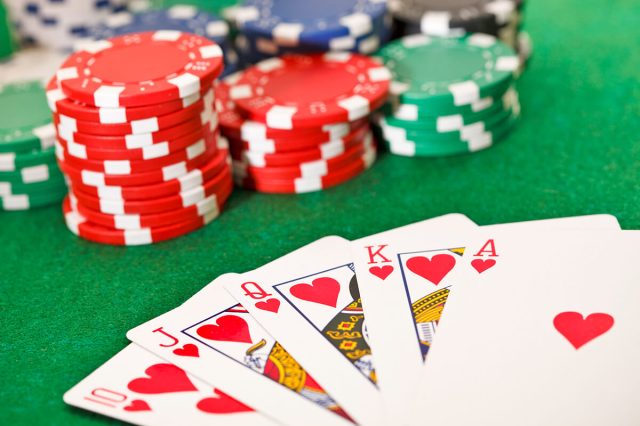
Additionally, practicing self-awareness is crucial when navigating the ups and downs of luck in gambling. Recognizing when emotions begin to cloud judgment is a vital skill for any gambler. Those who can step back and evaluate their situation objectively are more likely to avoid making impulsive decisions driven by the desire to overcome bad luck. This mindfulness can lead to better outcomes in both the short and long term.
Lastly, diversifying gambling activities can serve as a buffer against the volatility of luck. By engaging in different games or even varying the styles of play, gamblers can balance the inherent risks associated with luck-based games. This diversification allows for a more resilient strategy, where players can experience the excitement of luck while maintaining control over the overall gambling experience.
Concluding Thoughts on Luck in Gambling
As demonstrated, luck is a central element in the world of gambling, influencing outcomes in both positive and negative ways. While it undoubtedly contributes to the thrill and unpredictability that many find appealing, it is essential to remember that luck is only one piece of the puzzle. Skill, strategy, and self-regulation play equally vital roles in determining long-term success.
Understanding luck’s nature can empower gamblers to approach their activities with a more comprehensive perspective. By respecting the role of luck while simultaneously honing their skills, players can enhance their overall experience without becoming overly reliant on the whims of chance. This balance can lead to a more satisfying and sustainable engagement with gambling, allowing for enjoyment without the emotional pitfalls that excessive focus on luck can bring.
For those looking to deepen their understanding of the gambling landscape, educational resources and community forums can offer valuable insights. Engaging with others who share a passion for gambling can improve knowledge and strategy, helping to navigate the fine line between luck and skill with confidence and clarity.